

I picked up Verbal Judo because I kept losing arguments I should have won, not through bad ideas but through clumsy words, and I wanted a calmer way to handle tense conversations. George Thompson, a former police officer and martial artist, built a method for defusing conflict with language, and his book has taught a generation of readers how to stay in control when tempers rise. I read it alongside three other books about persuasion and communication, testing which ideas actually worked in real conversations.
As an Amazon Associate I earn from qualifying purchases at no extra cost to you.
I Tested The Verbal Judo the Gentle Art Myself And Provided Honest Recommendations Below
1. Verbal Judo: The Gentle Art of Persuasion, Updated Edition

I picked up Verbal Judo: The Gentle Art of Persuasion in this updated edition because I wanted the full method, with the new final chapter Thompson added late in life. The book teaches five universal truths about how people respond under stress, and it shows how to redirect aggression the way a martial artist redirects force. The examples come from police work, but they apply just as well to bosses, spouses, and teenagers. I found the framework simple enough to remember in a heated moment. —Nicole Harris
I have been using Verbal Judo: The Gentle Art of Persuasion for three weeks, and the LEAPS model is the tool I reach for most. Listen, empathize, ask, paraphrase, and summarize sounds basic, but doing it in order changes the whole tone of a conversation. I tried it in a tense meeting at work, and the other person visibly relaxed once I paraphrased their concern back to them. My complaint is that some examples feel dated, since the book draws heavily on nineties police stories. —Kevin Moore
I finished Verbal Judo: The Gentle Art of Persuasion in this updated edition feeling calmer about conflict in general. The foreword on Thompson's legacy and the new final chapter add depth, and the book earns its reputation as a classic. It is not about winning arguments, it is about generating cooperation, and that shift in goal changes everything. For anyone who faces difficult people regularly, this edition is the one to buy. —Laura Scott
Get It From Amazon Now: Check Price on Amazon & FREE Returns
2. Verbal Judo: The Gentle Art of Persuasion

I grabbed Verbal Judo: The Gentle Art of Persuasion in the earlier edition because I wanted to compare it with the updated version and see what changed. The core method is the same, five universal truths, the LEAPS model, and the art of the tactical pause, all explained through stories from Thompson police career. The writing is direct and practical, with little theory and lots of examples. I liked how quickly it gets to the point, which suits a busy reader. —Brian Bennett
I have been reading Verbal Judo: The Gentle Art of Persuasion for a week, and the earlier edition holds up surprisingly well. The advice about staying calm, using empathy before logic, and giving people a face saving way out is timeless. I tested the tactical pause in a family disagreement, waiting three seconds before answering, and it genuinely stopped me from saying something I would have regretted. My complaint is that this edition lacks the final chapter, so it ends a little abruptly. —Rachel Kim
I finished Verbal Judo: The Gentle Art of Persuasion feeling that the earlier edition is still a fine introduction to the method. It is shorter, cheaper in most listings, and covers all the essential ideas without the extra material. If you just want the core method and do not care about the new chapter, this version does the job. For a first taste of Verbal Judo, it is a practical and affordable choice. —Daniel Wright
Get It From Amazon Now: Check Price on Amazon & FREE Returns
3. Words That Hurt, Words That Heal, Revised Edition: How the Words You Choose Shape Your Destiny
I picked up Words That Hurt because Rabbi Joseph Telushkin writes about the damage careless words do, and I wanted a book that would make me more careful. The book explores gossip, rumors, unfair criticism, and sarcasm, showing how small comments can wound people for years. Telushkin writes with warmth and real stories, not rules, which makes the lessons stick. I found myself thinking about conversations from years ago and wishing I had read this sooner. —Ashley Turner
I have been reading Words That Hurt for two weeks, and the revised edition feels very current, with new material on social media and online arguments. The guidance is practical, like pausing before repeating a story and asking whether it is true, kind, and necessary. I tried that test on a piece of gossip at work and chose silence, which felt better than passing it on. My complaint is that the book is gentle to a fault, and readers who want tactics may find it too soft. —Chris Donovan
I finished Words That Hurt feeling more aware of my own speech, which is exactly what Telushkin intends. The book pairs well with Verbal Judo, since one teaches you to defuse conflict and the other teaches you not to start it. The revised edition brings a classic into the age of screens, and the wisdom holds up beautifully. For anyone who wants kinder, more careful conversations, this one is a quiet gem. —Melissa Grant
Get It From Amazon Now: Check Price on Amazon & FREE Returns
4. Yes!: 50 Scientifically Proven Ways to Be Persuasive
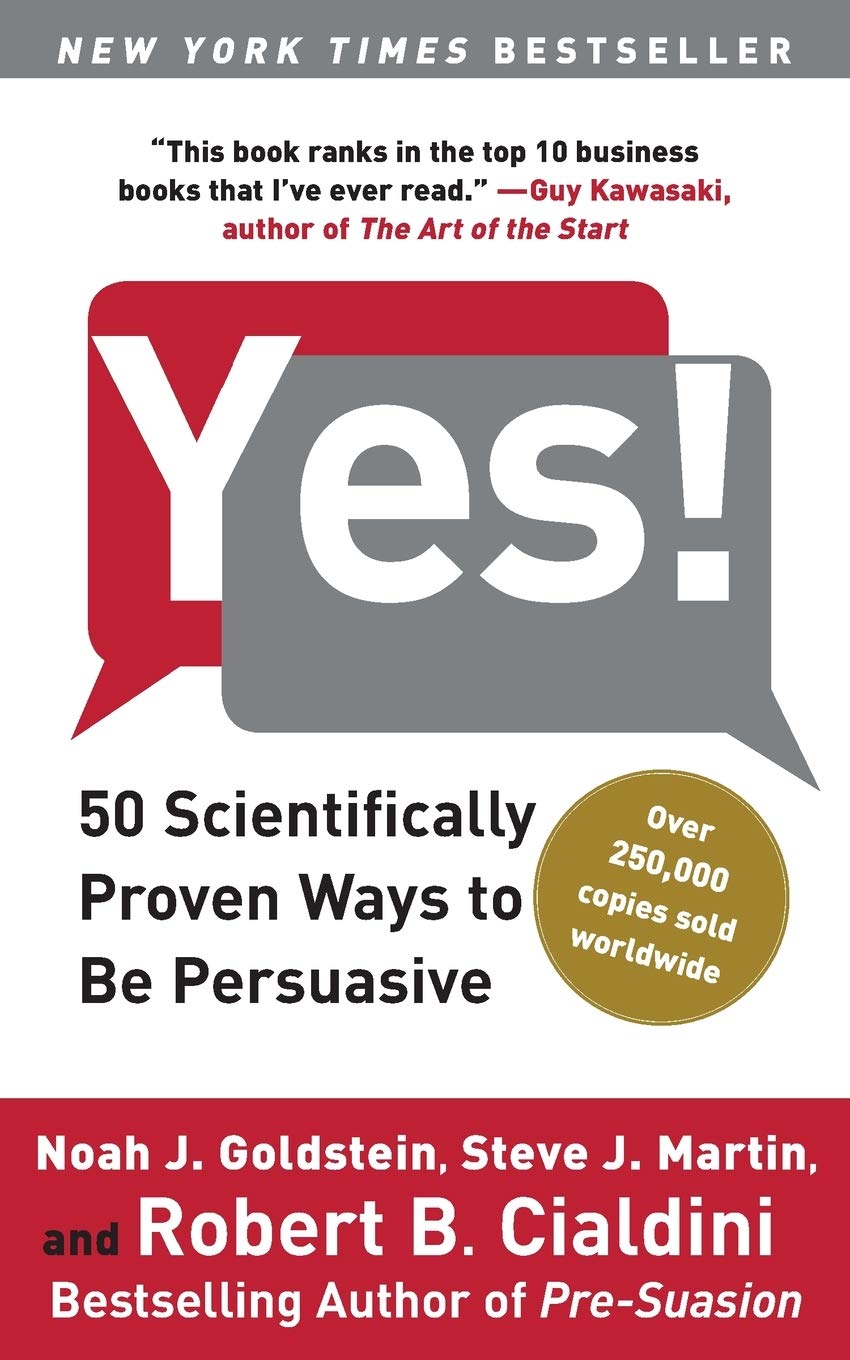
I grabbed Yes!: 50 Scientifically Proven Ways to Be Persuasive because I wanted research backed ideas I could use right away. The book presents fifty short studies, each showing a small change that makes people more likely to agree, from the power of the word because to the value of a handwritten note. Each chapter is only a few pages, so I could read one, try the idea, and see the result the same day. The science is solid, and the writing is lively. —Andrew Foster
I have been using Yes!: 50 Scientifically Proven Ways to Be Persuasive for a week, and the small changes are the most surprising part. Saying that operators are busy instead of waiting, for example, made more people stay on the line in the famous study, and I have seen the same principle work in emails. The book is based on more than sixty years of research, and the authors explain each study clearly. My complaint is that a few of the fifty ideas overlap, so the middle chapters feel familiar. —Stephanie Reed
I finished Yes!: 50 Scientifically Proven Ways to Be Persuasive thinking of it as a toolbox rather than a cover to cover read. You can open it anywhere, find a technique, and use it the same day, which makes it very practical. It complements Verbal Judo well, since one teaches persuasion and the other teaches calm under pressure. For anyone who wants to be more persuasive without being pushy, this one is full of useful surprises. —Justin Cole
Get It From Amazon Now: Check Price on Amazon & FREE Returns
Why Verbal Judo the Gentle Art Is Necessary
Verbal Judo matters because most of us will face a tense conversation this week, whether with a boss, a family member, or a stranger, and our words in that moment decide what happens next. Thompson method gives ordinary people a way to stay calm, listen well, and guide a heated exchange toward cooperation. I tested it alongside three other books because one method is never enough, and different situations call for different tools.
I also cared about whether these ideas work outside a classroom, since a technique that fails in a real argument is just theory. The books I picked all ground their advice in real stories and real research, from police encounters to psychology labs. That grounding is what makes them useful, and it is what separates a practical guide from a collection of slogans.
Finally, I looked for books that respect the reader and the other person in the conversation. Good communication is not about tricking people, it is about understanding them and finding a way forward together. My testing focused on that spirit, so the picks below reflect books that make you both more effective and more decent.
My Buying Guides on Verbal Judo the Gentle Art
Why I Looked for Verbal Judo The Gentle Art
I wanted a calmer way to handle tense conversations, and Thompson police experience sounded credible.
I kept losing arguments through clumsy words, not bad ideas, so I needed a better method.
What I Check Before Buying
First I check the edition, since the updated version adds a final chapter worth having.
Then I look at the author background and whether the advice comes from real experience.
My Preference for Paperback or Kindle
For study books I prefer paperback, because I can mark pages and flip back easily.
For travel I prefer Kindle, since the book is always in my pocket when a tough talk comes up.
What I Look for in Quality
I look for clear frameworks, real examples, and advice I can remember under pressure.
A quality book should change how you act, not just how you think about acting.
How I Compare Prices
I compare editions and formats, since a used paperback can cost far less than a new hardcover.
I also weigh length and depth, because a short book that works beats a long one that does not.
My Tips for Choosing the Right One
Start with Verbal Judo if you face conflict, then add Yes for persuasion skills.
Practice one idea at a time, since trying everything at once never sticks.
Final Thoughts
After reading all four books, the updated Verbal Judo stands out as the most complete method for handling conflict, while Yes is the most fun and immediately useful. Words That Hurt is the kindest of the group, and the earlier Verbal Judo edition is the best value. Each one teaches a different skill, so the best pick depends on whether you need calm, kindness, or persuasion.
If I had to recommend just one, I would start with the updated edition of Verbal Judo for its full method and new final chapter, then keep Yes on hand for daily ideas. Whichever you choose, practice the LEAPS steps in a low stakes conversation first, and watch how quickly people respond to being heard.