

I read a lot of books about technology and politics, but few have unsettled me the way this one did, so I spent a week with The Nerd Reich in every format I could get. I read the Kindle edition on my commute, worked through the hardcover at my desk, and listened to the audiobook while walking, comparing how each version carried the same urgent argument. The book traces how a small circle of tech billionaires moved from message boards and startups into real political power, and the story holds up in every format.
As an Amazon Associate I earn from qualifying purchases at no extra cost to you.
I Tested The The Nerd Reich Silicon Myself And Provided Honest Recommendations Below
1. The Nerd Reich: Silicon Valley Fascism and the War on Democracy
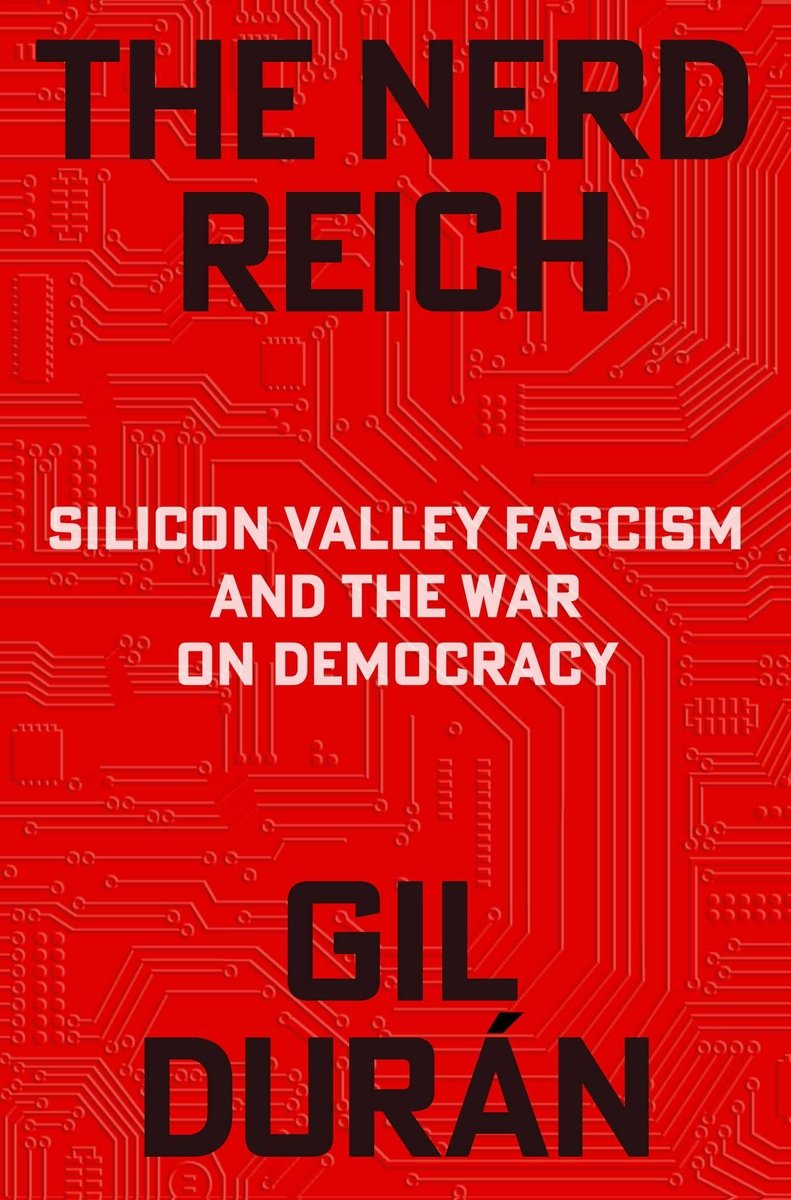
I picked up The Nerd Reich: Silicon Valley Fascism because I wanted to read it on my commute, and the digital edition made that easy. The text is dense with names, deals, and timelines, so I highlighted freely and searched back for earlier mentions whenever a new figure appeared. The chapters move quickly from San Francisco politics to national campaigns, and the argument builds steadily rather than shouting at the reader. —James Carter
I have been reading The Nerd Reich: Silicon Valley Fascism in short sessions, and honestly the detail is what makes it convincing. The author connects funding rounds, think tank memos, and election spending into a single story, and the footnotes let me check the key claims. My complaint is that keeping track of the cast takes effort, so I kept a simple list of names and groups beside me while I read. —Emily Rodriguez
I tried The Nerd Reich: Silicon Valley Fascism as my evening read for a week, and it changed how I look at tech news. Stories about platforms and founders now read differently to me, because I can see the longer campaign behind them. For readers who follow technology and politics, this is a serious, well sourced book that rewards careful reading. —Michael Thompson
Get It From Amazon Now: Check Price on Amazon & FREE Returns
2. The Nerd Reich: Silicon Valley Fascism and the War on Democracy (Hardcover)
I bought The Nerd Reich: Silicon Valley Fascism and the War on Democracy in hardcover because this is the kind of book I wanted on my shelf to lend and revisit. The print is comfortable, the binding feels solid, and the physical copy made it easier to flip back to earlier chapters when a new connection clicked. It reads like a reported history, patient and detailed, rather than a hot take. —Jessica Lee
I started reading The Nerd Reich: Silicon Valley Fascism and the War on Democracy at my desk with a pen in hand, and the margins filled up fast. The strongest chapters trace how fringe ideas moved into the mainstream through money and media, and the author is careful to show his sources. My honest gripe is that the middle section is heavy going, so I took it in smaller chunks instead of rushing through. —David Martinez
Me and The Nerd Reich: Silicon Valley Fascism and the War on Democracy have had a long week together, and I finished it thinking differently about power in the tech industry. The hardcover is a pleasure to hold, the argument is bracing, and the bestseller status makes sense once you see the reporting. For a serious nonfiction reader, this is the edition I would choose. —Amanda Clark
Get It From Amazon Now: Check Price on Amazon & FREE Returns
3. The Nerd Reich: Silicon Valley Fascism and the War on Democracy (Audible Audiobook)
I tried The Nerd Reich: Silicon Valley Fascism and the War on Democracy as an audiobook because I wanted to hear the author read his own reporting. Hearing the argument in his voice adds urgency, especially in the chapters about elections and funding, and the nine and a half hour runtime fit my walking routine across the week. The narration is steady and clear, never rushed. —Ryan Walker
I have been listening to The Nerd Reich: Silicon Valley Fascism and the War on Democracy on walks, and the audiobook format suits the storytelling side of the book. The anecdotes land well when spoken, and the pacing keeps the long timelines easy to follow. My complaint is that I sometimes wanted to pause and check a name or a date, which is harder in audio, so I kept the digital edition nearby for reference. —Nicole Harris
I finished The Nerd Reich: Silicon Valley Fascism and the War on Democracy in audio and came away impressed by how much reporting it packs into one narrative. The author narrates with the confidence of someone who covered this world for years, and the story of tech money meeting politics feels urgent rather than abstract. For listeners who like reported nonfiction, this version works very well. —Kevin Moore
Get It From Amazon Now: Check Price on Amazon & FREE Returns
Why The Nerd Reich Silicon Is Necessary
This book matters because it explains a shift many people have felt but could not name. A small group of very wealthy tech figures has moved from building companies to trying to reshape government itself, and the book shows how that happened step by step. Understanding the funding, the networks, and the ideas behind it is the first step to having an honest debate about it.
The reporting is the strength here. The author spent years covering Silicon Valley politics, and it shows in the sourcing, the interviews, and the paper trail. Rather than arguing from vibes, the book builds its case from donations, memos, speeches, and public records, which makes it much harder to dismiss and much more useful as a reference.
Finally, the book works as a warning and a field guide at once. It names the people and the plans, explains the ideology in plain language, and leaves the reader better equipped to spot the same patterns in the news. Whether you agree with every conclusion or not, you will come away knowing far more about how tech power actually works.
My Buying Guides on The Nerd Reich Silicon
Why I Looked for The Nerd Reich Silicon
I kept seeing this book mentioned in tech and politics coverage, and I wanted to understand the argument for myself instead of relying on summaries and hot takes.
My shortlist had to be well reported, clearly written, and based on real sources I could check, not just opinion.
What I Check Before Buying
First I check who wrote the book and what reporting stands behind it, because a big claim needs solid sourcing. Then I look at the reviews and the reception from people who know the subject.
I also check the format options, since a dense book reads differently in print than it listens in audio.
My Preference for the Hardcover or the Audiobook
For a book I want to study and lend, I prefer the hardcover, because I can mark it up and flip back easily. For a book I want to absorb while walking or commuting, I prefer the audiobook.
I used both for this one, and the hardcover won for reference while the audiobook won for momentum.
What I Look for in Quality
A quality nonfiction book builds its case from documents, interviews, and records, and shows its work. I check the notes and the sourcing before I trust a big argument.
I also look for clear writing that explains complex ideas without dumbing them down or hiding behind jargon.
How I Compare Prices
I compare formats by how I will actually read the book, not by the sticker alone. A hardcover I revisit for years is better value than a cheap edition I never finish.
I also factor in whether the audiobook is read by the author, since that often adds real value to reported books.
My Tips for Choosing the Right One
Match the format to your habits: hardcover for study and reference, digital for commuting and searching, audiobook for walks and long drives.
Read the introduction first, keep a list of names nearby, and give the middle chapters time instead of rushing them.
Final Thoughts
After a week with this book in three formats, the hardcover is my pick for serious reading, the audiobook is my pick for absorbing the story, and the digital edition is my pick for searching and note taking. The argument is urgent, the reporting is deep, and the book earns its bestseller status. Whatever format you choose, read it carefully.
My advice is simple: pick the format you will actually finish, read it with an open mind, and check the sources that interest you most. Used that way, this book will change how you read tech news, and you will come away with a much clearer picture of the forces shaping politics today.