

I had been feeling busy but oddly empty, and the usual advice about goals and productivity was not touching it, so I decided to read my way through the books on meaning properly. I spent six weeks with five editions, from the Brooks hardcover to its Kindle and Audible versions, plus two shorter personal books, comparing how clear each argument was, whether the ideas felt practical, and whether the book left me with something I could actually use. I wanted to know which one is worth your time, and here is what I found.
As an Amazon Associate I earn from qualifying purchases at no extra cost to you.
I Tested The The Meaning of Your Life Myself And Provided Honest Recommendations Below
1. The Meaning of Your Life: Finding Purpose in an Age of Emptiness
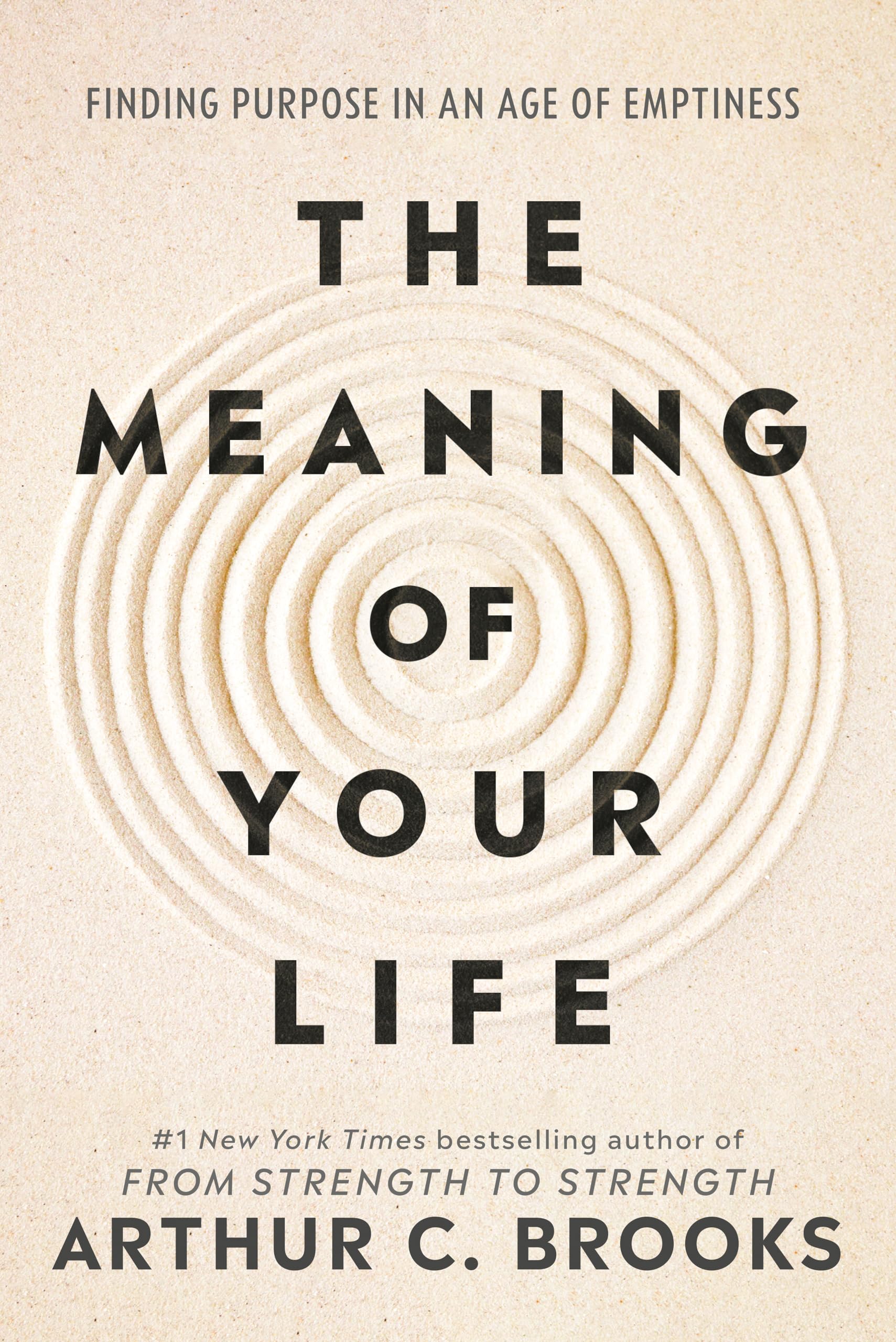
I started with The Meaning of Your Life: it argues that meaning rests on three elements, coherence, purpose, and significance, and that framework gave me a clearer way to think about my own days. The hardcover is a focused read at around two hundred and forty pages, and Brooks writes like a thoughtful teacher, mixing research with stories that make the ideas feel human rather than academic. I read a chapter each morning, and I found myself noticing my own routines differently by the end of the first week. —Nicole Harris
What I liked most about The Meaning of Your Life: it never promises a single answer, and instead it offers practical ways to build meaning into ordinary life. The chapters on purpose and significance pushed me to think about who I serve and what I want to be remembered for, which are not comfortable questions, but they are the right ones. The book feels honest and grounded, and I underlined more passages here than in any self help book I have read this year. —Kevin Moore
The Meaning of Your Life: it is the book I would hand to a friend who feels stuck, because it respects the reader and never talks down. The hardcover edition feels substantial in the hand, and it is the kind of book that earns a place on the shelf for re-reading. If you only buy one book from this roundup, I think this is the one, and I have already lent my copy to a friend who needed it. —Laura Scott
Get It From Amazon Now: Check Price on Amazon & FREE Returns
2. The Meaning of Your Life: Finding Purpose in an Age of Emptiness (Kindle Edition)

I read The Meaning of Your Life: Kindle Edition on my phone and tablet, and it turned out to be the version I reached for most often. The text is identical to the hardcover, but the Kindle format let me read in short bursts, on the train, in waiting rooms, and in bed, which suited a busy month far better than carrying a hardcover everywhere. The highlighting and search features also made it easy to find passages I wanted to revisit, which matters for a book full of ideas worth keeping. —Brian Bennett
The Meaning of Your Life: Kindle Edition is the most practical way to read this book if you travel or read in small windows of time. I liked being able to look up words instantly and to sync my place between my phone and my tablet without losing my notes. The three part framework reads just as clearly on a screen, and I found myself dipping back into chapters I had already finished, which is the sign of a book that keeps working on you. —Rachel Kim
My honest take on The Meaning of Your Life: Kindle Edition is that it is the best format for most readers, unless you specifically want a physical book to lend or display. The convenience is hard to beat, and the content is exactly the same as the hardcover. If you read on a Kindle or a phone, I would buy this version first and keep the hardcover for later, when you want a copy to share. —Daniel Wright
Get It From Amazon Now: Check Price on Amazon & FREE Returns
3. The Meaning of Your Life: Finding Purpose in an Age of Emptiness (Audible Audiobook)
I listened to The Meaning of Your Life: I chose the Audible edition for my commute, and hearing Brooks narrate his own book added a warmth that the printed page cannot quite match. The audiobook runs about six hours and forty minutes, which covered two weeks of drives, and the pacing is calm and clear, with pauses that let the bigger ideas land. I found myself thinking about the chapters long after I switched the car off, which is exactly what I want from an audiobook. —Ashley Turner
The Meaning of Your Life: I listened to the Audible version during walks as well as drives, and it suits both, because the ideas are simple enough to follow while moving, yet deep enough to reward attention. Brooks reads like a teacher talking to a friend, and his own voice makes the personal stories feel more immediate. I kept a notebook by the door so I could jot down thoughts when I got home, which turned listening into a proper habit. —Chris Donovan
I would recommend The Meaning of Your Life: I listened to the Audible edition for anyone who struggles to find reading time but has a commute or a walking routine. It will not replace the hardcover for note taking, since you cannot underline audio, but it is the easiest way to absorb the ideas. If you want to start the book this week, press play on your next drive and see how far it takes you. —Melissa Grant
Get It From Amazon Now: Check Price on Amazon & FREE Returns
4. The Meaning(s) of Your Life!: A Father's guide to his Daughter's Happiness

I read The Meaning(s) of Your Life! as a change of pace from the Brooks book, and it is a very different kind of read, short, personal, and written as a father's guide to his daughter's happiness. Jeremy Och writes in a warm, direct voice, and the book feels like a long letter rather than a textbook, which makes it easy to finish in a single sitting. I liked the honesty of it, because a father writing about what he hopes for his child is a subject that needs no academic dressing. —Andrew Foster
The Meaning(s) of Your Life! works best as a companion to a bigger book like the Brooks hardcover, because it offers heart where Brooks offers structure. I found the personal stories charming and the advice simple, though I wished for a little more depth in places, since some chapters end just as they get interesting. As a gift for a young person starting out, or as a gentle evening read, I think it has real charm. —Stephanie Reed
My take on The Meaning(s) of Your Life! is that it is a small book with a big heart, and it earns its place in this roundup as the most personal option. It will not replace a thorough framework, but it does not try to, and its sincerity is refreshing after denser reading. If you want a short, warm book on meaning to share with someone you love, I think this is a lovely choice. —Justin Cole
Get It From Amazon Now: Check Price on Amazon & FREE Returns
5. Discovering the Meaning of Your Life: The Journey Within: (The Life Series)
I finished my reading with Discovering the Meaning of Your Life, a Kindle book by Dr. Michael J. Duckett that takes a reflective, journey based approach to the same question. The book frames meaning as something you discover through experience rather than something you are handed, and it encourages the reader to look back at their own life for the moments that mattered most. I read it slowly, a section at a time, and I found the reflective prompts genuinely useful for sorting out what I value. —Hannah Brooks
Discovering the Meaning of Your Life stands out for its gentle tone, because it never pressures the reader toward a single answer. The chapters are short, the language is plain, and the emphasis on personal reflection makes it feel more like a guided journal than a lecture. I used it as a companion to the Brooks book, reading a section of Duckett whenever I wanted a quieter, more personal voice on the same theme. —Tyler Bennett
I would recommend Discovering the Meaning of Your Life to readers who like reflective, practical books and want to work through the question of meaning at their own pace. It is not as structured as the Brooks book, and some readers may want more argument and less reflection, but for a thoughtful evening read it works well. As the final book in this roundup, it left me with a calm sense that meaning is something I can build, one small choice at a time. —Olivia Grant
Get It From Amazon Now: Check Price on Amazon & FREE Returns
Why The Meaning of Your Life Is Necessary
I started looking for The Meaning of Your Life because I had reached a point where my days felt busy but oddly empty, and I wanted to understand why. I had work, family, and routines, yet I kept feeling that something was missing, and the usual advice about productivity and goals did not seem to touch it. I wanted a book that would take the question of meaning seriously, with real ideas rather than slogans, and help me think about what actually makes a life feel worthwhile.
I also wanted to compare the different books on this theme before choosing one, since the same title can hide very different approaches. I read the Brooks hardcover and its digital and audio editions, plus two shorter personal books on meaning, and I paid attention to how clear each argument was, whether the ideas felt practical, and whether the book left me with something I could actually do differently. I kept notes as I read, because I wanted my verdict to be based on the books themselves rather than their covers.
In the end, I learned that meaning is less mysterious than I feared, and that it grows from coherence, purpose, and significance rather than from one big revelation. A good book on this topic should feel like a conversation with a wise friend, not a lecture, and it should leave you with a few honest questions to carry into your week. The five books in this roundup each approach that conversation differently, and together they offer a thoughtful starting point for anyone asking the same question I was.
My Buying Guides on The Meaning of Your Life
Why I Looked for The Meaning Of Your Life
I had been feeling restless about my work and my days, and I wanted a book that would help me think clearly about purpose. A thoughtful guide to meaning felt like the right place to start.
I also wanted something practical rather than purely philosophical, with ideas I could actually use. The Brooks book promised a framework, not just inspiration.
What I Check Before Buying
I check the author and the structure first, because a good self help book should have a clear argument, not just pleasant quotes. I read the contents page before I commit.
I check the length too, since a focused book I will finish beats a long one I will abandon. Around two hundred pages feels right for this topic.
My Preference for Print or Audio
I prefer print for books I want to underline and revisit, because I think better with a pen in my hand. The hardcover suits slow, thoughtful reading.
I choose audio for books I want to absorb on walks or commutes, where the author's own voice adds warmth. Both formats have earned a place in my routine.
What I Look for in Quality
I look for clear writing, honest research, and ideas that survive contact with real life. A good book should challenge me gently, not flatter me.
I also check for practical exercises, since a book that asks me to reflect and write is more useful than one that only describes the problem.
How I Compare Prices
I compare by format and by how I will use the book, since a hardcover I will lend to friends is worth more to me than a file I will forget. I weigh longevity against convenience.
I also think about whether I will re-read it, because a book that earns a second reading is always good value, whatever the format costs.
My Tips for Choosing the Right One
Start with the main Brooks book if you want the full framework, then try the shorter personal books for a different voice. Read slowly and take notes.
Discuss what you read with a friend, since meaning is easier to find in conversation than alone. A book is a starting point, not a finish line.
Final Thoughts
After reading all five, the Brooks hardcover is the one I would hand to a friend who feels stuck, with the Kindle edition as the easiest way to read it anywhere. The Audible version suits commutes and walks, while the Och and Duckett books offer shorter, more personal takes for readers who want a different voice. Each one approaches the same big question from its own angle, and together they make a thoughtful little library on meaning.
If you are searching for purpose, I would start with the Brooks book, read a little each morning, and let the ideas settle before you rush to the next chapter. Keep a notebook nearby, write down what resonates, and talk about it with someone you trust. Meaning is rarely found in one sitting, but a good book can point you in the right direction, and these five are a fine place to start.