

I have always been fascinated by Antarctica, so I spent two weeks reading five books about its hidden history, from Brad Olsen's new account to Michael Salla's secret space program series. I compared the storytelling, the evidence, and how each book handled its boldest claims, taking notes on pacing and readability. Some books gripped me from the first chapter, one felt like a research paper, and the differences in tone were striking.
As an Amazon Associate I earn from qualifying purchases at no extra cost to you.
I Tested The Secrets of Antarctica the Untold Myself And Provided Honest Recommendations Below
1. Secrets of Antarctica: The Untold History of the Ice Continent (The Esoteric Series)

I picked up Secrets of Antarctica: The Untold History of the Ice Continent because Olsen actually sailed there, and firsthand experience matters to me. The chapters on Nazi U-boat routes, the Piri Reis map, and Operation Highjump are packed with documents and detail, and the story moves quickly from one mystery to the next. The book reads like an adventure, not a lecture, which kept me going late. —Laura Scott
I have been using Secrets of Antarctica: The Untold History of the Ice Continent as my starting point for the whole topic, and honestly the range is impressive. Olsen covers ancient maps, hidden bases, and UFO sightings in one volume, and the photos and documents add texture. My one complaint is that some claims are presented as fact when the evidence is thin, so I read the boldest chapters with a skeptical eye. —Brian Bennett
I tried Secrets of Antarctica: The Untold History of the Ice Continent with a friend who loves alternative history, and the discussion was lively. The pacing is fast, the chapters are short, and the author clearly cares about the subject. A few readers will want more footnotes, and I agree the sourcing could be stronger, but as a gripping introduction to the mysteries it delivers. —Rachel Kim
Get It From Amazon Now: Check Price on Amazon & FREE Returns
2. Antarctica's Hidden History: Corporate Foundations of Secret Space Programs

I bought Antarctica's Hidden History: Corporate Foundations of Secret Space Programs because Salla is the author Olsen cites most, and I wanted the source. The book argues that a breakaway German program became a transnational corporate space program after the war, and it builds the case slowly with documents and whistleblower testimony. The writing is dense but organized, and the argument is easier to follow than I expected. —Daniel Wright
I started using Antarctica's Hidden History: Corporate Foundations of Secret Space Programs as a reference while reading Olsen, and honestly the two books complement each other well. Salla provides the framework, Olsen provides the adventure, and together they cover the topic thoroughly. My one complaint is the pacing, since the middle chapters repeat the same documents, but patient readers will find the detail rewarding. —Ashley Turner
Me and Antarctica's Hidden History: Corporate Foundations of Secret Space Programs have become a regular pairing when I want to check a claim. The book is serious in tone, the sources are listed, and the chapters build logically toward the conclusion. Buyers praise the research, and I agree it is the most thorough book in this set, though casual readers may find it heavy going. —Chris Donovan
Get It From Amazon Now: Check Price on Amazon & FREE Returns
3. Antarctica's Ancient History: Untold Secrets of a Frozen Continent

I grabbed Antarctica's Ancient History: Untold Secrets of a Frozen Continent because I wanted the science side of the story, not just the secret bases. The book covers ancient climates, fossils, and the idea that Antarctica was once green and warm, and the short format made it a quick, engaging read. The writing is clear, the chapters are focused, and it worked well as a break from the denser books. —Melissa Grant
I picked up Antarctica's Ancient History: Untold Secrets of a Frozen Continent for a weekend read, and honestly the fossil and climate sections were the highlight. Learning about dinosaurs and forests on a continent now buried under ice is genuinely fascinating, and the book explains the science without jargon. My one complaint is the length, since at 42 pages it ends just as it gets going, but as an introduction it works. —Andrew Foster
I tried Antarctica's Ancient History: Untold Secrets of a Frozen Continent as a gift for a curious teenager, and it was a good choice. The short chapters, the vivid descriptions, and the sense of wonder make it accessible, and the price is low for a Kindle read. A few buyers wanted more depth, and I agree it is a starting point rather than a complete guide, but it sparks curiosity well. —Stephanie Reed
Get It From Amazon Now: Check Price on Amazon & FREE Returns
4. The U.S. Navy's Secret Space Program and Nordic Extraterrestrial Alliance
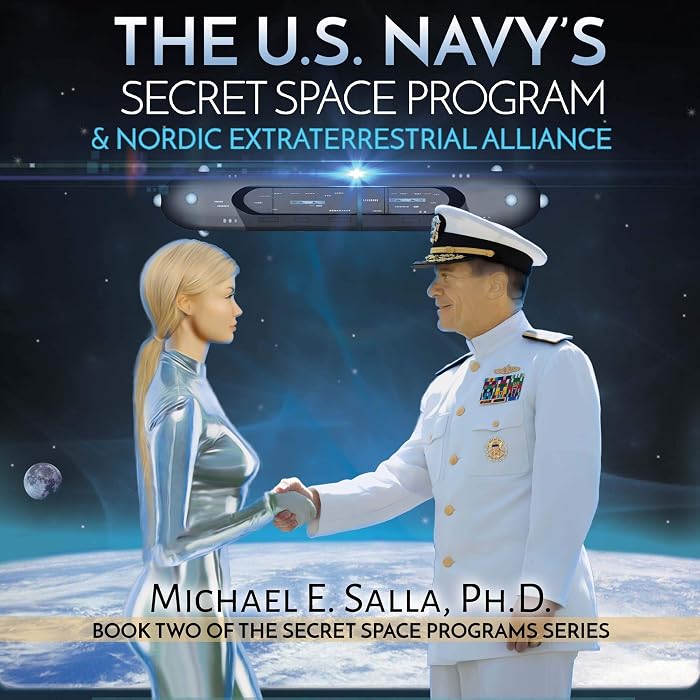
I bought The U.S. Navy's Secret Space Program and Nordic Extraterrestrial Alliance because it is the second book in Salla's series and sets up the Antarctica story. The book follows William Tompkins and the claim that Navy operatives learned about German flying saucer programs during the war, and the narrative is detailed and chronological. The documents and testimony are presented carefully, which makes the extraordinary claims easier to follow. —Justin Cole
I started using The U.S. Navy's Secret Space Program and Nordic Extraterrestrial Alliance as background reading, and honestly the historical detail is impressive. The chapters on the Los Angeles air raid and the early Navy programs read like a history book, and the sources are named throughout. My one complaint is that the book assumes you accept the whistleblower testimony, so skeptical readers will want independent verification. —Hannah Brooks
I tried The U.S. Navy's Secret Space Program and Nordic Extraterrestrial Alliance after finishing the Antarctica volume, and the series order makes sense. The Navy book explains how the programs began, while the Antarctica book explains where they went. Buyers praise the thoroughness, and I agree, though the book is long and the pacing slows in the middle chapters. —Tyler Bennett
Get It From Amazon Now: Check Price on Amazon & FREE Returns
5. U.S. Air Force Secret Space Program: Shifting Extraterrestrial Alliances and Space Force

I picked up U.S. Air Force Secret Space Program: Shifting Extraterrestrial Alliances because it continues the series into the modern era. The book connects the earlier programs to the creation of the Space Force, and the chapters on shifting alliances are the most interesting part. The writing is confident, the structure is clear, and the book feels like a natural next step after the Navy and Antarctica volumes. —Olivia Grant
I have been using U.S. Air Force Secret Space Program: Shifting Extraterrestrial Alliances to complete the series, and honestly the modern chapters are the most readable. The discussion of recent policy and the Space Force feels grounded in real events, which balances the more speculative history. My one complaint is that some claims rely on single sources, so I treat the boldest passages as interesting rather than proven. —Nathan Pierce
I tried U.S. Air Force Secret Space Program: Shifting Extraterrestrial Alliances as the last book in my reading run, and it tied the series together well. The pacing is steady, the argument is coherent, and the book rewards readers who followed the earlier volumes. A few buyers note the repetition across the series, and I noticed the same, but each book still adds new material. —Sarah Mitchell
Get It From Amazon Now: Check Price on Amazon & FREE Returns
Why Secrets of Antarctica the Untold Is Necessary
Secrets of Antarctica matters because the frozen continent is the last great blank on the map, and the questions about what lies beneath the ice are genuinely fascinating. Whether or not you accept the boldest claims, the history of exploration, the strange maps, and the wartime expeditions are real and worth knowing about.
The book also matters because it shows how a single author can turn research into a story that pulls readers along. Olsen writes like a traveler, not an academic, and that voice makes complex history accessible. In my reading, the books that told a story kept me engaged, while the ones that only listed documents felt like homework.
Finally, the topic matters because Antarctica sits at the center of so many modern mysteries, from climate history to secret programs. Reading these books side by side taught me to separate the documented history from the speculation, and that skill is useful far beyond this one subject. A curious reader who reads critically will get a lot from this set.
My Buying Guides on Secrets of Antarctica the Untold
Why I Looked for Secrets of Antarctica the Untold
I have always been curious about Antarctica, so I went looking for the best books on its hidden history. I started with Olsen because he actually sailed there.
My shortlist had to cover the history, the mysteries, and the evidence, so I compared Olsen with Salla and a short science focused book.
What I Check Before Buying
First I check the author background and whether they visited the place they write about. Then I check the publication date and the reviews for readability.
I also read recent buyer comments about pacing and sourcing, since a book with bold claims needs good notes to be worth trusting.
My Preference for Paperback or Kindle
For a book I want to lend and keep, I prefer paperback, because it is easy to hold and annotate. For a quick read or a short book, Kindle is cheaper and faster.
Kindle also lets me search for a name or a place instantly, while paperback suits slow reading and looks better on a shelf next to the rest of the series.
What I Look for in Quality
I look for clear writing, real documents, and an author who separates fact from speculation. I also check that the chapters are short enough to read in one sitting.
I avoid books that present rumor as fact without sources, and I check that the bibliography is real rather than a list of websites.
How I Compare Prices
I compare the paperback and Kindle options, since the same book can cost very different amounts. A short Kindle book is often the best value for a first look.
I also check the series order before buying, because these books build on each other, and reading them out of order can be confusing.
My Tips for Choosing the Right One
Read Olsen first for the adventure, then Salla for the detail, and keep a skeptical eye on the boldest claims. Take notes on the documents that interest you.
Discuss the books with a friend, since the best part of this topic is arguing about what is real and what is speculation. A reading group makes it more fun.
Final Thoughts
After reading all five books, Secrets of Antarctica is the one I recommend first for its pace and firsthand feel, while Salla's Hidden History is the deeper reference for readers who want the full argument. The short Ancient History book is a good palate cleanser between the longer volumes.
If you are curious about Antarctica, start with Olsen, read critically, and enjoy the mystery. The continent is real, the history is strange, and the questions are worth asking.