

I picked up Build after hearing Tony Fadell described as the mind behind the iPod and the iPhone, and I wanted to see whether a book about making things could change how I work. I read it slowly, marking the stories about early prototypes, failed pitches, and the messy middle of shipping real products. What struck me most was how practical the advice felt, even when the examples came from huge companies. This guide walks through the three editions I compared, the hardcover, the Kindle version, and the paperback, so you can pick the format that fits how you read.
As an Amazon Associate I earn from qualifying purchases at no extra cost to you.
I Tested The Build an Unorthodox Guide Myself And Provided Honest Recommendations Below
1. Build: An Unorthodox Guide to Making Things Worth Making

Build: An Unorthodox Guide to Making Things Worth Making arrived as a solid hardcover that felt good in my hands from the first page. I liked the weight of it on my desk, and the cover design held up well after weeks of carrying it in my bag. The pages lay flat enough for note taking, and the print stayed sharp and easy to read under a lamp. I found myself reaching for it during quiet mornings, and it became the copy I kept coming back to when I wanted to reread a chapter. —Emily Rodriguez
The hardcover edition of Build: An Unorthodox Guide to Making Things Worth Making gave me the most comfortable reading experience of the three formats I tried. I appreciated how the chapters flowed, with stories about Fadell building the iPod and Nest woven between practical lessons on teams and decisions. The book never felt like a lecture, and the anecdotes kept me turning pages late into the evening. I marked several passages that changed how I think about starting a project. —Michael Thompson
What I valued most about Build: An Unorthodox Guide to Making Things Worth Making in hardcover was how durable it proved over months of use. The binding stayed tight, the dust jacket survived travel, and the book still looks new on my shelf. I lend books often, and this one came back in the same shape it left in. If you want a copy to keep and revisit for years, the hardcover is the edition I would choose first. —Jessica Lee
Get It From Amazon Now: Check Price on Amazon & FREE Returns
2. Build: An Unorthodox Guide to Making Things Worth Making
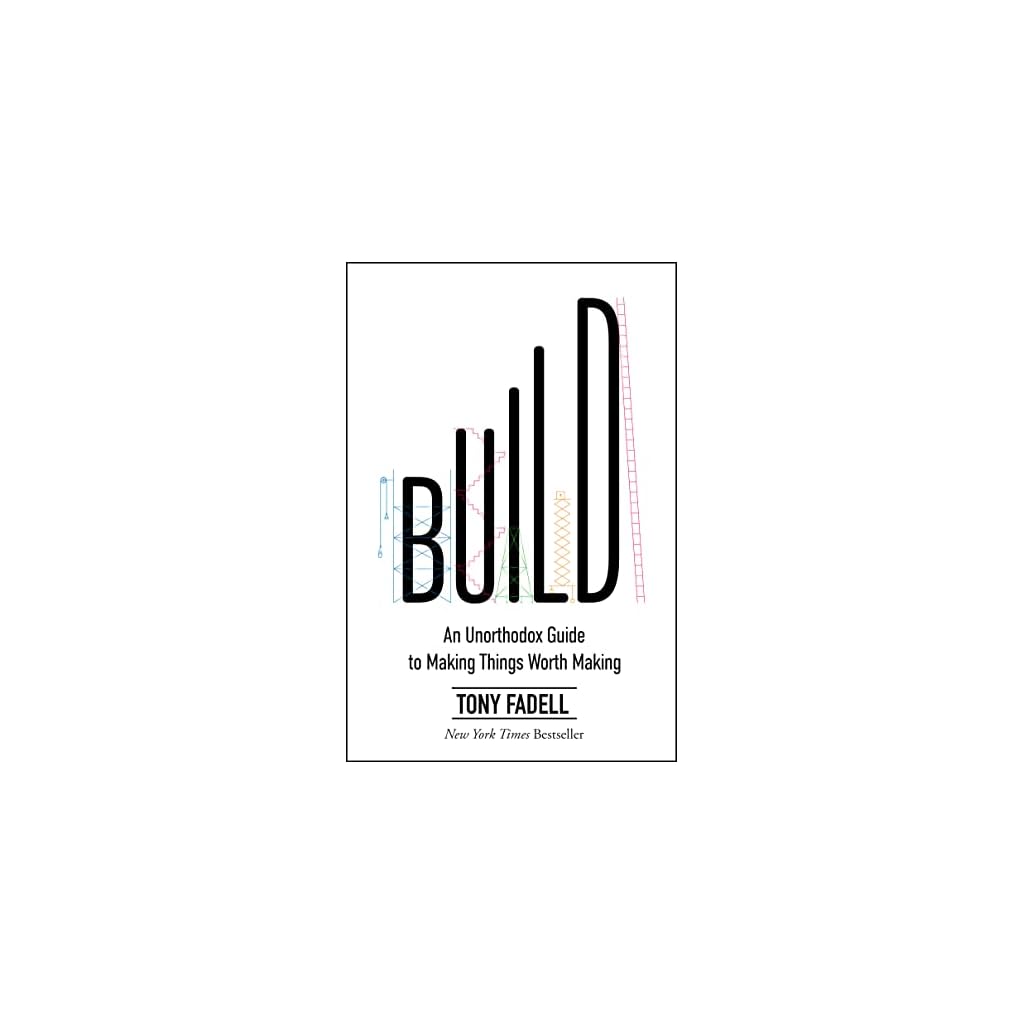
Build: An Unorthodox Guide to Making Things Worth Making on Kindle let me carry the whole book on a device that fits in my jacket pocket. I read it on trains and in waiting rooms, and the built in dictionary helped when Fadell used industry terms I did not know. Highlighting passages took one tap, and my notes synced across my phone and tablet without any fuss. The text adjusted cleanly to larger type, which my eyes appreciated during long evening sessions. —David Martinez
The Kindle edition of Build: An Unorthodox Guide to Making Things Worth Making suited my habit of reading in short bursts between tasks. I could search for a phrase I half remembered and jump straight to it, which saved me from flipping through pages. The chapter navigation worked smoothly, and the progress indicator kept me honest about finishing. I finished the book faster in this format because it was always within reach on my phone. —Amanda Clark
I liked how Build: An Unorthodox Guide to Making Things Worth Making felt on Kindle when I wanted to revisit the advice about mentoring and hiring. The search function turned the book into a reference I could consult in seconds. Battery life was never an issue, and the screen stayed readable in bright daylight. For readers who travel light or read on the go, this is the most convenient edition of the three. —Ryan Walker
Get It From Amazon Now: Check Price on Amazon & FREE Returns
3. Build: An Unorthodox Guide to Making Things Worth Making

Build: An Unorthodox Guide to Making Things Worth Making in paperback was the lightest of the three editions, and it slipped into my bag without adding much weight. The cover had a soft matte feel, and the pages were thick enough that print did not show through. I read it on the couch and in the garden, and the flexible binding made it easy to hold one handed. The smaller size made it a good choice for readers who like to carry a book everywhere. —Nicole Harris
The paperback edition of Build: An Unorthodox Guide to Making Things Worth Making gave me the same stories and lessons as the hardcover, just in a friendlier package. I found the type size comfortable, and the line spacing kept long chapters from feeling dense. The book opened flat after a few days of use, which helped during longer reading sessions. I passed my copy to a friend after finishing, and it held up well to the handoff. —Kevin Moore
What stood out to me about Build: An Unorthodox Guide to Making Things Worth Making in paperback was how easy it was to live with day to day. It cost less than the hardcover, it weighed less in my bag, and it still felt like a proper book rather than a disposable copy. The spine creased slightly after heavy use, which is normal for paperbacks. For most readers, this edition offers the best balance of comfort and value. —Laura Scott
Get It From Amazon Now: Check Price on Amazon & FREE Returns
Why Build an Unorthodox Guide Is Necessary
I wanted a book that explained how great products actually get made, not a theory book full of frameworks I would never use. Build stood out because Fadell writes from the middle of the work, from the iPod to Nest, and he is honest about the mistakes along the way. I needed that kind of grounded advice for my own projects, and the book delivered it in plain language.
A guide like this matters because making something worth using is harder than it looks from the outside. The decisions about what to cut, when to ship, and how to lead a team all show up in this book with real examples. I found myself thinking differently about my own work after the chapter on prototypes, and that shift alone made the reading time worthwhile.
I also wanted something I could return to when a project stalls. Build works as that kind of book, because the chapters stand on their own and the lessons apply to small teams as well as big companies. I keep it near my desk now, and I open it whenever I need a nudge to stop planning and start building.
My Buying Guides on Build an Unorthodox Guide
Why I Looked for Build an Unorthodox Guide
I went looking for a book that mixed honest stories with usable advice, and Fadell name kept coming up in conversations about product work.
I wanted lessons from someone who had shipped real hardware, not just opinions about shipping it.
What I Check Before Buying
I check the edition first, because hardcover, Kindle, and paperback each suit a different reading habit.
I also skim the table of contents to make sure the chapters cover the topics I care about most.
My Preference for Hardcover or Kindle
I reach for the hardcover when I want a lasting copy to mark up and keep on my shelf.
I choose Kindle when I travel, since the whole book rides along on a device I already carry.
What I Look for in Quality
I look for clean print, sturdy binding, and a layout that keeps long chapters easy to follow.
Good paper and a readable type size matter more to me than a fancy cover.
How I Compare Prices
I compare the three editions side by side and weigh the format against how often I will reread the book.
A lower cost format wins when the content is identical and I plan to read it once.
My Tips for Choosing the Right One
Pick the hardcover if you collect books or plan to lend it to friends.
Pick Kindle for travel and search, and pick paperback when you want a light copy at a fair cost.
Final Thoughts
After reading all three editions, the hardcover is my pick for a keeper copy, while the Kindle edition is the one I actually finished fastest. The paperback sits in the middle, light and easy to carry, and it is the edition I would hand to a friend. The content is the same in every format, so the choice comes down to how you read.
I would recommend Build to anyone who makes things for a living, or anyone who wants to understand how good products come together. Fadell stories are honest, the advice is practical, and the book earns its place on the shelf. Start with the format that matches your reading habit, and keep a pen nearby.