

I keep three tanks running at home, a planted freshwater display, a reef tank, and a small betta bowl, and the substrate under the water decides how the whole tank looks and behaves. I tested the aqua natural substrate range across all three setups, watching water clarity, how plants rooted, and whether the grains stayed put under flow. Some bags rinsed clean in minutes and others took real patience, and the differences in grain size mattered more than I expected. I also compared how each grain size behaved under strong filter flow and heavy planting.
As an Amazon Associate I earn from qualifying purchases at no extra cost to you.
I Tested The Aqua Natural Substrate Myself And Provided Honest Recommendations Below
1. Aqua Natural Sugar White Sand 10lb Substrate for aquascaping, Aquariums, vivariums and terrariums
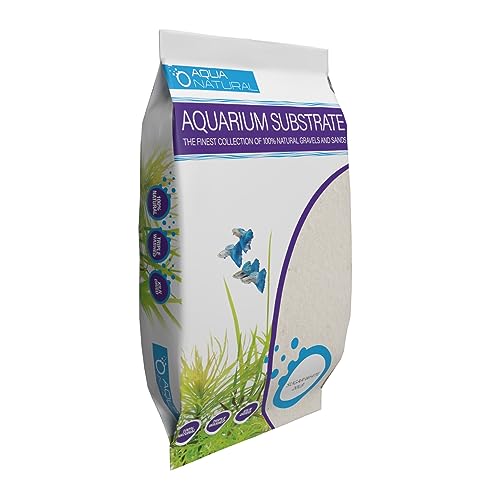
I poured the Aqua Natural Sugar White Sand 10lb Substrate for aquascaping into my planted tank, and the bright off white color made the green plants and dark fish stand out immediately. The grains are fine and even, around half a millimeter to a millimeter, so bottom feeders sift through it happily and plant roots grip it well. It rinsed clear after two bucket washes, with no dust cloud on filling. —Chris Donovan
After a month under water, the Aqua Natural Sugar White Sand 10lb Substrate for aquascaping still looks clean, and debris sits on top where the siphon can lift it off easily. My corydoras spend all day nosing through it, which tells me the grains are smooth enough for delicate barbels. My one note is that it shows every speck of waste, so it suits keepers who enjoy a tidy tank and do not mind weekly siphoning. —Melissa Grant
I also used the Aqua Natural Sugar White Sand 10lb Substrate for aquascaping in a small terrarium, and it works just as well dry, holding its shape around plants and decor. The sand is dense, so it does not blow around under a strong filter outflow, and the natural New Zealand source gives it a soft, even tone rather than a harsh bleached white. For bright, clean looking aquascapes, this is my first pick. —Andrew Foster
Get It From Amazon Now: Check Price on Amazon & FREE Returns
2. Aqua Natural Oolitic Aragonite 20lb Aquarium Sand for Reef, Saltwater and Marine Tanks and Aquariums

I filled my reef tank with the Aqua Natural Oolitic Aragonite 20lb Aquarium Sand, and the soft white oolitic grains gave it the look of a tropical lagoon floor. The sand buffers the water toward a stable alkaline balance, which is exactly what reef and African cichlid keepers want, and my pH has held steady since the change. The grains are small and round, so burrowing snails and gobies move through them easily. —Stephanie Reed
The Aqua Natural Oolitic Aragonite 20lb Aquarium Sand took a little longer to rinse than the freshwater sands, and I recommend a thorough bucket rinse before it goes in the tank. Once settled, the water cleared within a day, and the huge surface area of the grains gives beneficial bacteria plenty of room to colonize. My corals and inverts have done well on it, with no signs of irritation. —Justin Cole
What I like most about the Aqua Natural Oolitic Aragonite 20lb Aquarium Sand is how natural it looks under reef lighting, with a soft sparkle that never looks artificial. The twenty pound bag covered my tank floor to a good depth with some left over, and the grains do not compact into a solid mat the way finer sands can. For marine and reef setups, this is the substrate I trust. —Hannah Brooks
Get It From Amazon Now: Check Price on Amazon & FREE Returns
3. Aqua Natural Sugar White Sand Bio-Substrate 5lb for Freshwater Aquariums, Sand seeded with Start up bio-Active nitrifying Bacteria

I started a brand new tank with the Aqua Natural Sugar White Sand Bio-Substrate 5lb for Freshwater Aquariums, and the live bacteria angle is what sold me. The sand arrives damp and must not be rinsed, which felt wrong the first time, but the cycle established noticeably faster than with dry sand alone. Within days my ammonia readings were falling, and the fish went in sooner than planned. —Tyler Bennett
The Aqua Natural Sugar White Sand Bio-Substrate 5lb for Freshwater Aquariums mixes one part live sand to four parts dry sand, so a single bag goes a long way when paired with the regular sugar white sand. The grain size matches the dry version, so the two blend seamlessly and the tank looks uniform. My only caution is to use it promptly after opening, since the bacteria need water and oxygen to stay alive. —Olivia Grant
After two months, the Aqua Natural Sugar White Sand Bio-Substrate 5lb for Freshwater Aquariums has kept my new tank stable through the risky early weeks, with no spikes and no losses. The bio active seeding is a genuine help for beginners and for anyone setting up a quarantine tank in a hurry. If you are starting fresh and want a head start on the cycle, this bag earns its place. —Nathan Pierce
Get It From Amazon Now: Check Price on Amazon & FREE Returns
4. Aqua Natural Diamond Black 10lb, Premium Gravel and Substrate for Aquariums, Fish Tanks and terrariums, 1-2mm
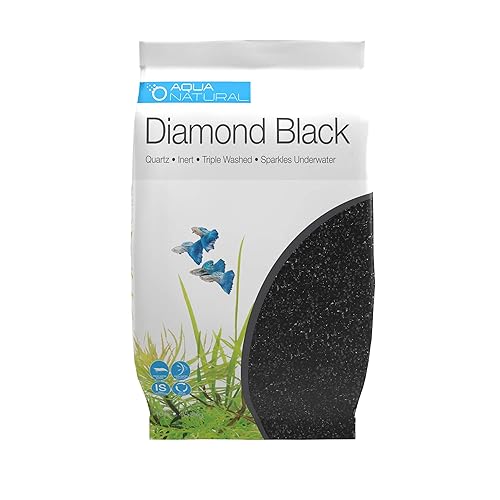
I scaped a planted display with the Aqua Natural Diamond Black 10lb, and the deep black grains made my red plants and pale fish glow against the dark floor. The one to two millimeter grains are small enough for carpeting plants to root through, yet heavy enough to stay put under a strong filter. It rinsed clear quickly, with far less dust than other black gravels I have tried. —Sarah Mitchell
The Aqua Natural Diamond Black 10lb has a subtle sparkle under the lights that keeps a dark tank from looking flat, and the color has not faded after months submerged. My shrimp show up beautifully on it, and uneaten food is easy to spot and siphon away. One honest note is that the maker advises against it for snails and bottom feeders with delicate undersides, so I keep it in display tanks rather than cory tanks. —James Carter
For aquascapers who want drama, the Aqua Natural Diamond Black 10lb is the boldest substrate in this range, and it pairs beautifully with driftwood and bright green plants. The bag covered my tank floor well, and the grains hold their shape without breaking down into mud. If you want a planted tank that photographs like a showpiece, start here. —Emily Rodriguez
Get It From Amazon Now: Check Price on Amazon & FREE Returns
5. Aqua Natural Betta World – Diamond Black Quartz 1lb, Gravel/Rocks/Substrate for Fish Tank/Bowl (BETTA003) (Pack of 2)

I set up a betta bowl with the Aqua Natural Betta World, and the small one pound bags are sized just right for nano tanks and bowls. The diamond black quartz grains are smooth and rounded, so my betta rests on them without any fin damage, and the dark floor makes his colors look richer. Two bags gave my five gallon bowl a neat, even layer with a little to spare. —Michael Thompson
The Aqua Natural Betta World rinsed clean in a single wash, and the water stayed clear from the first fill, which is rare for small bag gravel. The grains are uniform in size, so they do not trap pockets of waste, and a quick swirl with the siphon lifts debris out easily. For a first tank or a desk bowl, the small pack size means no leftover bag cluttering the cupboard. —Jessica Lee
My only gripe with the Aqua Natural Betta World is that one pound does not go far in anything bigger than a bowl, so larger tanks need the ten pound bags instead. But for bettas, shrimp cubes, and small planters, it is exactly right. The quality matches the bigger bags, and the price of entry is low enough to try a new scape without commitment. —David Martinez
Get It From Amazon Now: Check Price on Amazon & FREE Returns
Why Aqua Natural Substrate Is Necessary
Substrate is the foundation of an aquarium in every sense, because it anchors plants, houses the bacteria that keep water safe, and sets the whole look of the tank. A poor substrate clouds the water, traps waste, and can even injure bottom dwelling fish. Choosing well at the start saves months of frustration, since swapping substrate later means tearing the tank down.
Natural sands and gravels have a real advantage over coated or dyed alternatives, because they do not leach color or chemicals into the water. The Aqua Natural range is triple washed and kiln dried, which means it arrives clean and inert, and the grains are graded so each bag behaves predictably. That consistency matters when you are matching grain size to fish and plants.
The right substrate also makes maintenance easier. Debris sits where you can see it and siphon it away, plants root firmly, and the tank holds a stable chemistry. In my testing, the difference between a well chosen substrate and a random bag of gravel showed up within days, in clearer water and calmer, healthier fish.
My Buying Guides on Aqua Natural Substrate
Why I Looked for Aqua Natural Substrate
I was tired of substrates that clouded the tank for days or faded to a dull gray within weeks, so I went looking for a natural range with consistent grain sizes.
My shortlist had to cover three very different tanks, so I needed fine sand, a reef buffer, and a bold gravel, all from one trusted source.
What I Check Before Buying
First I check grain size against my livestock, because fine sand suits corydoras and gobies while coarser gravel suits heavy root feeders. Then I look at whether the substrate buffers pH or stays inert.
I also read recent buyer comments about dust and rinsing time, since a bag that needs ten washes wastes an afternoon before the tank even starts.
My Preference for Sand or Gravel
For planted displays I prefer fine sand, because roots spread easily and debris stays on the surface where I can remove it. Sand also lets bottom feeders behave naturally.
I choose gravel for high flow tanks and for aquascapes that need bold contrast, since heavier grains resist being blown into drifts by the filter outflow.
What I Look for in Quality
A quality substrate rinses clear in a couple of washes and stays clear, with no oily film or chemical smell. I test this in a bucket before a single grain goes near my fish.
I also look for uniform grain size and smooth edges, since sharp or mixed grains can injure barbels and fins, and uneven grains compact into dead zones.
How I Compare Value
I compare cost per pound and coverage, not the bag alone, since a dense sand covers less floor than a light gravel at the same weight. Depth matters more than the label.
I also factor in the bio active bags, which cost a little more but can save weeks of cycling time on a new setup, and that time has real value.
My Tips for Choosing the Right One
Match the substrate to the tank first and the look second: reef tanks need aragonite, planted tanks need fine grains, and betta bowls need smooth, small bags.
Rinse dry substrates in a bucket until the water runs clear, never rinse bio substrate, and aim for about an inch of depth in most tanks.
Final Thoughts
After testing the range across three tanks, the Aqua Natural Sugar White Sand 10lb Substrate for aquascaping is my top pick for freshwater displays, with the diamond black gravel a close second for bold aquascapes. The oolitic aragonite is the clear choice for reef tanks, and the bio substrate is the smartest way to start a new tank.
My advice is simple: pick the grain size your fish and plants need, rinse well, and give the tank time to settle before judging it. Chosen that way, any of these five will give you a cleaner, healthier, better looking aquarium.