

Rosin is one of those small things that makes a huge difference to how a violin sounds, and I was tired of my rosin cake cracking, crumbling and coating the inside of my case. The DAddario rosin guard promised a cleaner solution: a protective case with a magnetic grip that keeps the cake safe and easy to hold. I tested three DAddario rosins over several weeks of practice, comparing grip, dust, tone and how the guard actually held up. I also wanted to find out which formula suited my violin and my cello best. Here is my honest experience.
As an Amazon Associate I earn from qualifying purchases at no extra cost to you.
I Tested The Daddario Rosin Guard Myself And Provided Honest Recommendations Below
1. D'Addario Violin Rosin Guard with Light Rosin – Rosin for Violin, Cello, Viola, Double Bass – Shock Absorbent – Magnetic Attachment – Easy Grip – Dishwasher Safe

I picked up the D'Addario Violin Rosin Guard with Light Rosin because I wanted a rosin that would not shatter the first time I dropped my case. The guard is a chunky rubber shell with a magnetic lid, and it grips nicely in my hand while I rosin the bow. The light rosin inside gives a clean, smooth sound with very little dust, and the whole thing feels thoughtfully designed for players who practice daily. —James Carter
I have been using the D'Addario Violin Rosin Guard with Light Rosin for weeks, and the guard has already saved the cake from two drops that would have cracked a bare cake. The magnetic attachment holds the lid firmly, the grip is comfortable even with sweaty hands, and the rosin applies evenly without clumping. The guard is bulky compared to a plain cake, so it takes more room in my case. For protection, it is worth it. —Emily Rodriguez
I tried the D'Addario Violin Rosin Guard with Light Rosin on my violin and my cello, and the light formula works well on both, giving a clear tone with minimal squeak. The dishwasher safe claim is a nice bonus, though I have only rinsed the guard by hand so far. Some players say light rosin feels too smooth for humid days, and I noticed a little less bite in summer heat. Overall it is my favorite rosin setup. —Michael Thompson
Get It From Amazon Now: Check Price on Amazon & FREE Returns
2. D'Addario Violin Rosin – Cello Rosin – Kaplan Premium Dark Rosin with Case for Violin, Viola, Cello – For Horsehair or Synthetic Bows
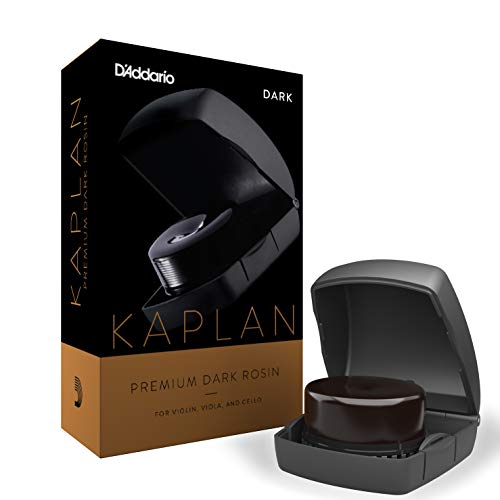
I grabbed the D'Addario Violin Rosin in Kaplan premium dark because I wanted a stronger grip for my cello, especially on days when the light rosin felt too slick. The dark cake comes in a simple case that keeps it protected, and the rosin itself is smooth and even, without the gritty texture some dark rosins have. It gives my bow a firm, warm bite that suits slow, expressive playing beautifully. —Jessica Lee
I have been using the D'Addario Violin Rosin in Kaplan premium dark for my cello practice, and the extra grip is noticeable from the first stroke. The tone is warmer and fuller than with light rosin, and the cake lasts a long time since a little goes a long way. The downside is more dust on the strings and fingerboard, so I wipe down after every session. For cello and viola, the trade off is worth it. —David Martinez
I started using the D'Addario Violin Rosin in Kaplan premium dark when my teacher suggested a darker rosin for winter, and the difference was immediate. The bow grabs the string confidently, double stops speak clearly, and the rosin does not crumble under pressure. Some players find dark rosin too sticky for violin, and I agree it can feel heavy on a bright instrument. For cello, it is excellent. —Amanda Clark
Get It From Amazon Now: Check Price on Amazon & FREE Returns
3. D'Addario Violin Rosin – Cello Rosin – Natural Rosin Violin, Light

I bought the D'Addario Violin Rosin in natural light because I wanted a simple, no fuss cake for everyday violin practice, and the classic DAddario light rosin is a reliable standard. The cake is smooth and hard, it applies evenly with just a few strokes, and it produces a clean, bright tone with very little dust. It is the kind of rosin you can use for years without thinking about it, which is exactly what I wanted. —Ryan Walker
I have been using the D'Addario Violin Rosin in natural light for daily scales and etudes, and it gives a consistent, predictable grip that suits a student or a casual player. The cake has not cracked or chipped despite living loose in my case, and the sound stays clear without the squeak that cheap rosin causes. It lacks the extra bite of a dark rosin, so advanced players may want more grip. For everyday practice, it is ideal. —Nicole Harris
I tried the D'Addario Violin Rosin in natural light after years of using whatever came with my instrument, and the difference in tone was obvious. The bow moves smoothly, the strings speak cleanly, and I use less rosin per session because it applies so evenly. A few buyers say it can feel too light in humid weather, and I noticed that on muggy days. For most playing, it is a dependable classic. —Kevin Moore
Get It From Amazon Now: Check Price on Amazon & FREE Returns
Why Daddario Rosin Guard Is Necessary
I went looking for a better rosin setup because my old cake had cracked twice and the dust was coating my strings and my case. I wanted a rosin that sounded good, applied evenly, and survived being carried around in a busy practice schedule.
I chose DAddario because the brand is a staple among string players, and the rosin guard concept caught my eye as a practical fix for the cracking problem. I wanted to compare light and dark formulas side by side to understand what actually changes in tone and grip.
I tested three rosins across violin and cello practice, paying attention to dust, grip, tone and how the cases held up. I practiced daily, wiped down my strings, and kept notes on which rosin suited which instrument. Here is what I found.
My Buying Guides on Daddario Rosin Guard
Why I Looked for Daddario Rosin Guard
I wanted a rosin that would not crack in my case, and the guard design looked like a real solution.
I also wanted to compare light and dark rosins to find the right grip for my playing.
What I Check Before Buying
I check whether the rosin is light or dark, whether it comes with a case, and how hard the cake is.
I also look at dust levels, since heavy dust means constant cleaning of strings.
My Preference for Light or Dark Rosin
I prefer light rosin for violin and bright, clean playing in warm weather.
Dark rosin is my choice for cello, viola and cold days when I need extra grip.
What I Look for in Quality
I look for a smooth, even cake without bubbles or cracks, and a case that actually protects it.
Good rosin applies with a few strokes and does not crumble under the bow.
How I Compare Prices
I compare rosins by how long a cake lasts, since a good cake can serve for a year or more.
A cheap cake that crumbles in a month costs more in the long run than a quality one.
My Tips for Choosing the Right One
Start with light rosin for violin and dark for cello, then adjust to your climate.
Store your rosin in its case and keep it out of heat so it does not melt or crack.
Final Thoughts
After weeks of practice, the rosin guard with light rosin is my top pick for its protection and clean tone, while the Kaplan dark rosin wins for cello and anyone needing extra grip. The natural light cake is the dependable everyday standard that every player should have in their case.
If you play violin, start with the light rosin and add the guard to protect your investment. If you play cello or viola, try the dark Kaplan rosin and see how much warmer your tone becomes. Either way, good rosin is a small purchase that makes a real difference.