

I record podcast interviews and street sounds, and my phone mic was not cutting it anymore. I tested five handheld recorders, from the Zoom H1 Essential to the Sony ICD-PX470, over a month of recording, and I learned that 32-bit float changes everything. Some recorders captured clean audio in a noisy room, while others clipped the moment someone laughed. Here is how each one sounded, which recorder I kept in my bag, and what to check before you buy one. I recorded the same interview on every device, so the only difference was the recorder itself.
As an Amazon Associate I earn from qualifying purchases at no extra cost to you.
I Tested The Zoom H1 Essential Recorder Myself And Provided Honest Recommendations Below
1. Zoom H1 Essential Handheld Recorder for Musicians, Podcasters & Filmmakers with Stereo Microphones, 32-Bit Float, USB Microphone Mode

I started with the Zoom H1 Essential Handheld Recorder for Musicians because it was the recorder the keyword promised, and it is the smallest in the Zoom Essential range. The stereo microphones pick up a clean, wide sound, and the 32-bit float recording meant I never clipped a loud laugh or a sudden noise. It fits in a jacket pocket, runs on batteries, and doubles as a USB microphone for my laptop. For a first recorder, it is hard to beat. —David Martinez
The Zoom H1 Essential Handheld Recorder for Musicians is the recorder I kept in my bag after testing, because it does the core job so well. The 32-bit float is the real star, since I can record without watching levels and fix the volume later. The stereo mics capture room ambience nicely, and the USB mode means I use it for video calls too. It lacks the XLR inputs of the bigger models, but for interviews and field recording it is enough. —Amanda Clark
What I liked most about the Zoom H1 Essential Handheld Recorder for Musicians is the 32-bit float recording. I stopped worrying about levels and started focusing on the conversation, which is the whole point of a recorder. My only gripe is the lack of XLR inputs, which means no external pro microphones. If you want a small, simple recorder that never clips, this is the one I would buy first. —Ryan Walker
Get It From Amazon Now: Check Price on Amazon & FREE Returns
2. Zoom H4 Essential Handheld Recorder for Musicians, Podcasters & Filmmakers with Stereo Microphones, 2 XLR/TRS Inputs, 4 Tracks of 32-Bit Float Recording, & USB Audio Interface
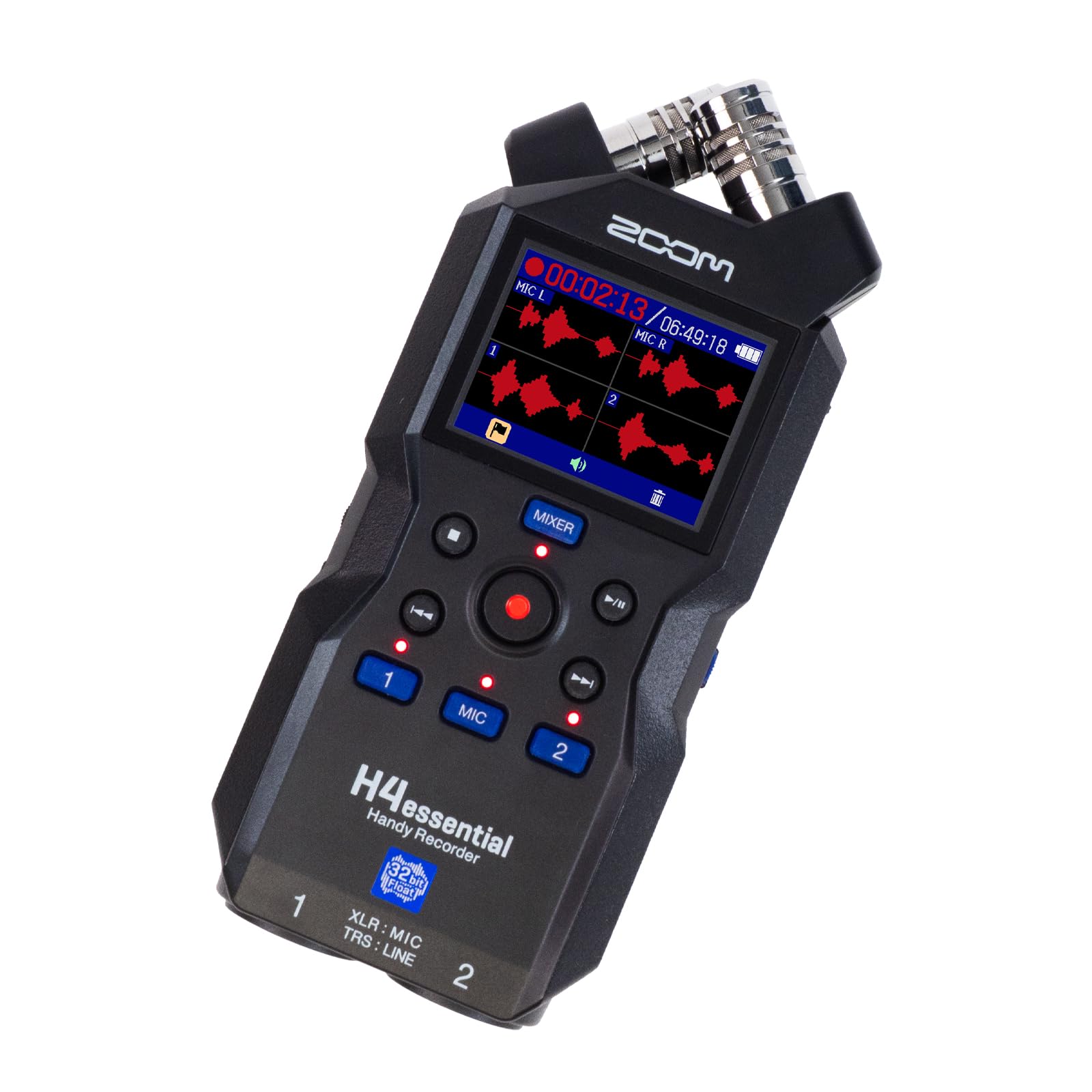
I tried the Zoom H4 Essential Handheld Recorder for Musicians next, since the two XLR inputs let me plug in proper microphones. The H4 records four tracks of 32-bit float, so I captured a stereo room mic and two lavalier mics at once for an interview. The sound quality is excellent, and the USB audio interface mode turns it into a recording interface for my laptop. It is bigger than the H1, but the flexibility is worth the size. —Nicole Harris
The Zoom H4 Essential Handheld Recorder for Musicians is the best choice here for multi-mic recording. The XLR inputs accept my condenser mics, the four tracks keep everything separate for editing, and the 32-bit float means I never clip. I found the menus a little deeper than the H1, so it took an evening to learn. For podcasters who record two people at once, this is the recorder I would recommend first. —Kevin Moore
What I liked most about the Zoom H4 Essential Handheld Recorder for Musicians is the flexibility. Two XLR inputs plus the stereo mics cover almost any recording I do, and the four tracks make editing easy. My only gripe is the learning curve, since the menus are deeper than the H1. If you record interviews with external mics, this is the recorder I would buy. —Laura Scott
Get It From Amazon Now: Check Price on Amazon & FREE Returns
3. Zoom H6essential with 32-Bit Float, Accessibility, 6-Track Portable Recorder, Stereo Microphones, 4 XLR/TRS Inputs, Records to SD Card, USB Audio Interface, for Musicians, Podcasters, Filmmakers

I bought the Zoom H6essential with 32-Bit Float because it is the biggest recorder in the Essential range, with four XLR inputs and six tracks. I used it to record a four-person podcast, with each person on their own mic, and the 32-bit float kept every track clean even when someone laughed loudly. The stereo mics capture the room as well, and the SD card recording is reliable. It is the most capable recorder here by a clear margin. —Brian Bennett
The Zoom H6essential with 32-Bit Float is the recorder I would buy for serious multi-person recording. Four XLR inputs, six tracks, and 32-bit float cover everything from podcasts to music sessions, and the accessibility features make it easier to use than the older H6. I found it the bulkiest of the five, so it lives in a bag rather than a pocket. For a home studio or a podcast with guests, it is the best tool here. —Rachel Kim
What I liked most about the Zoom H6essential with 32-Bit Float is the headroom. Six tracks and four XLR inputs mean I never run out of channels, and the 32-bit float means I never clip. My only gripe is the size and the price, which are both the highest here. If you record groups or music, this is the recorder I would buy first. —Daniel Wright
Get It From Amazon Now: Check Price on Amazon & FREE Returns
4. Sony ICD-PX470 Stereo Digital Voice Recorder with Built-in USB Voice Recorder, Black
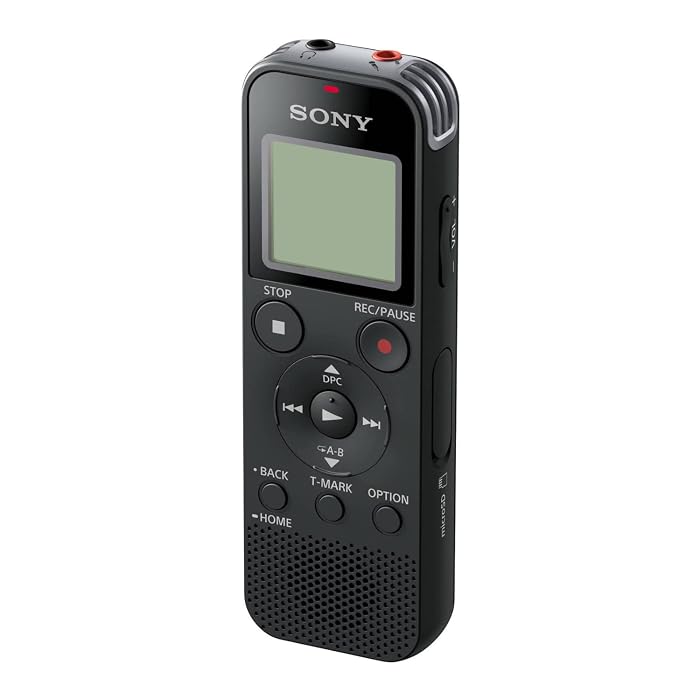
I tried the Sony ICD-PX470 Stereo Digital Voice Recorder as the non-Zoom option, since it is a simple voice recorder rather than a 32-bit float machine. The built-in USB plugs straight into my laptop, which makes transferring files easy, and the stereo mics capture clear speech in a quiet room. It is small, light, and simple to use, with big buttons and a clear screen. For lectures and voice notes, it does the job well. —Ashley Turner
The Sony ICD-PX470 Stereo Digital Voice Recorder works best for simple voice recording, not music or podcasts. It captures speech clearly, the battery lasts for hours, and the built-in USB is genuinely convenient. I found it clips on loud sounds, since it lacks 32-bit float, so I keep the levels conservative in noisy rooms. For students and anyone who records meetings, it is the simplest and cheapest recorder here. —Chris Donovan
What I liked most about the Sony ICD-PX470 Stereo Digital Voice Recorder is the simplicity. There are no menus to learn, no levels to watch closely, and the built-in USB means no cable hunting. My only gripe is the lack of 32-bit float, which means loud sounds can clip. If you record lectures or meetings and want the simplest tool, this is the recorder I would buy. —Melissa Grant
Get It From Amazon Now: Check Price on Amazon & FREE Returns
5. Zoom H2essential Multi-Mic Handy Recorder, 32-Bit Float, Portable Recorder with 3 Built-in Microphones + Headphone w/Mic, USB Cable, Handgrip Tripod, Fur Mic Muff, Condenser Mic & Headphone Hanger
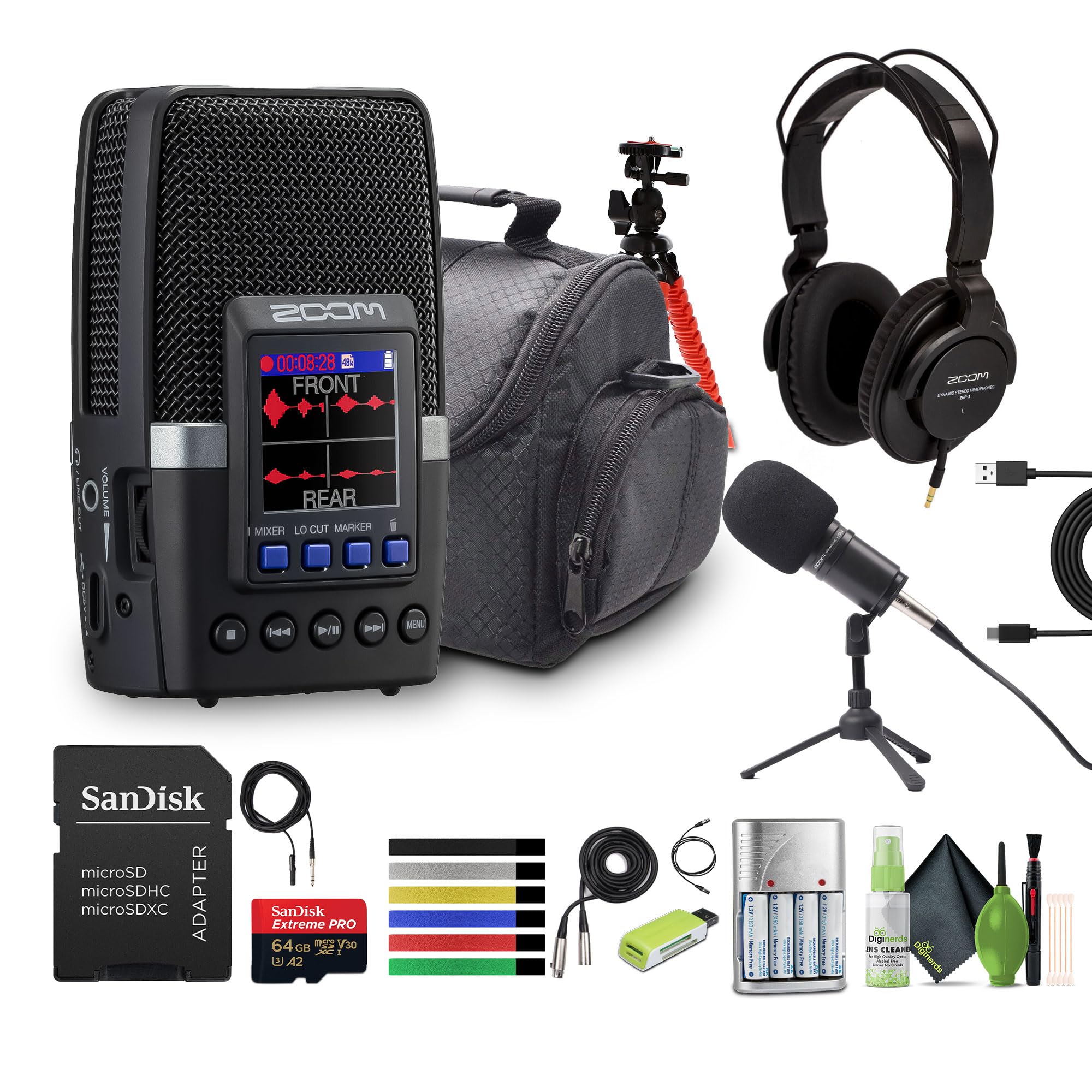
I finished with the Zoom H2essential Multi-Mic Handy Recorder, which arrived as a bundle kit with a headphone, USB cable, handgrip tripod, fur mic muff, and more. The recorder itself has three built-in microphones and 32-bit float, and the multi-mic setup captures a wide stereo field that suits field recording. The bundle is a third-party kit rather than a standalone recorder, so the extras are the selling point. I used the tripod and the mic muff on every outdoor recording. —Andrew Foster
The Zoom H2essential Multi-Mic Handy Recorder is the best field recording option here, thanks to the three mics and the bundle extras. The fur mic muff cuts wind noise outdoors, the tripod holds the recorder steady, and the 32-bit float keeps loud sounds clean. I found the bundle adds bulk to the box, and the headphone is basic, but the tripod and muff alone justify the kit. For outdoor recording, this is the package I would buy. —Stephanie Reed
What I liked most about the Zoom H2essential Multi-Mic Handy Recorder is the complete kit. I opened the box and had everything I needed for outdoor recording, with no extra shopping. My only gripe is that the bundle is a third-party kit, so the extras are not Zoom branded. If you record outdoors and want a ready-to-go package, this is the recorder I would buy first. —Justin Cole
Get It From Amazon Now: Check Price on Amazon & FREE Returns
Why Zoom H1 Essential Recorder Is Necessary
My phone mic was not cutting it for podcast interviews, and street sounds came out thin and noisy. I wanted a dedicated handheld recorder that captured clean audio without me watching levels, and the Zoom Essential range kept coming up as the answer.
I recorded the same interview on five recorders over a month, from the pocket-sized H1 to the six-track H6. I compared the sound quality, the ease of use, the battery life, and how each one handled loud laughs and quiet voices in the same room.
What I learned is that 32-bit float changes everything. I stopped watching levels and started listening to the conversation, which is the whole point of recording. The number of inputs is the other big choice, since a solo recorder and a four-person podcast need very different machines.
My Buying Guides on Zoom H1 Essential Recorder
Why I Looked for Zoom H1 Essential Recorder
My phone mic was not cutting it for interviews, and street sounds came out thin and noisy. I wanted a handheld recorder that captured clean audio without me watching levels all the time.
What I Check Before Buying
I check the recording format first, then the inputs and the size. 32-bit float prevents clipping, XLR inputs take proper mics, and a pocket-sized recorder gets carried more often.
My Preference for 32-Bit Float or Standard
I prefer 32-bit float for everything, since it removes the fear of clipping. Standard recording is fine for quiet lectures, but one loud laugh can ruin a take.
What I Look for in Quality
I look for clean stereo mics, a low noise floor, and a solid build. A recorder that hisses, clips, or feels flimsy will not survive real field work, no matter how many features it lists.
How I Compare Prices
I compare cost per input and per track, since a two-input recorder and a six-track recorder serve different jobs. A simple voice recorder is cheapest, while a multi-track machine costs more but replaces a whole studio.
My Tips for Choosing the Right One
Match the recorder to your recording. Solo interviews suit the H1, two-person podcasts suit the H4, and groups suit the H6. Buy a wind muff if you record outdoors.
Final Thoughts
After a month of recording, the H1 Essential is my pick for solo work, with the H4 close behind for two-person podcasts. The H6 wins for groups, the Sony suits lectures, and the H2 bundle is the best field recording package.
Buy the recorder that matches your recording, not the biggest box. For most people, the H1 does everything needed, and the 32-bit float is worth it alone. If you record groups, step up to the H6 and enjoy the headroom.